
Repairs vs Capital on Rental Properties (Residential & Commercial): Getting the call right
March 23, 2026
For property owners and managers, the line between a repair and a capital expense is more than semantics; it drives whether you claim a deduction now, claim it over time, or add it to cost base for CGT. The ATO has issued clearer guidance and fact sheets, and the expectation is that claims match what the work actually does, not how an invoice is labelled.

Key principles in plain English
- Repairs & maintenance: Fixing damage or deterioration that occurred
while you were earning income (wear-and-tear, weather, tenant damage). Usually deductible in the year incurred.
- Initial repairs: Fixing defects
that existed at purchase (even if unknown). These are capital - part of acquisition cost or treated under capital works/depreciation rules.
- Improvements / capital works: Alterations, extensions, or upgrades that
enhance function or extend life beyond merely restoring condition. Typically claimed at
2.5% p.a. over 40 years (with exceptions).
- The “entirety” concept: Replacing a whole, separately identifiable asset is capital (e.g., replacing the entire roof vs patching leaks; replacing a whole air-con system vs repairing a component).
- Depreciating assets: New assets are generally claimed over their effective life. Residential rules restrict deductions for
second-hand assets; commercial can differ.
- Significant renter damage: If damage arises from tenant actions during an income-producing period and you restore to original condition, that’s typically a
repair.
Residential vs commercial: same rules, different outcomes
The framework is consistent, but the facts and fit-out often differ. A commercial refit might involve more distinct depreciating assets and different leasing structures; residential rules can be stricter around second-hand assets. Never assume a treatment from one setting automatically applies to the other.
Why accuracy matters to owners
- Cash flow timing: Immediate deduction vs 40-year write-off changes your tax profile.
- Audit readiness: The ATO’s guidance is public; incorrect claims are easier to spot.
- Valuation and CGT: Capital items affect cost base and future tax on sale.
How to position your claim
- Describe the substance of the work: “Restored to watertight condition” vs “upgrade.” Words matter when matching facts to tax treatment.
- Split mixed projects: Many jobs contain both repair and improvement -
apportion on a reasonable basis and document your method.
- Keep evidence: Before/after photos, inspection reports, lease/tenant notes, invoices with itemised descriptions, and a short internal note about purpose.
- Map to the correct category: Immediate deduction (repair), capital works (rate over time), depreciating asset (effective life), or acquisition cost (initial repairs).
Practical scenarios we see
- Storm or tenant damage restored to original function - often a repair.
- Replacing an entire system or structure - commonly capital works or a depreciating asset.
- Buying a property with existing defects - initial repairs are capital, even if you discover them later.
- Refurbishment that improves amenity beyond the original - capital works.
Unsure how to classify recent works? Send the scope, invoices and photos. We’ll classify, apportion if needed, and align your claim with current ATO guidance.
Important notice: This article provides general information only and does not take your objectives, financial situation or needs into account. Seek professional advice before acting.

The 2026-27 Federal Budget was announced on 12 May 2026, and we are now mid-year with several key changes already live or about to take effect. This is a practical guide to what you need to know and what actions matter right now. Important: Some measures have already been enacted or are taking effect this month. Others are still in draft or awaiting legislation. We will keep you updated as things progress.

A budget is not a prediction. It is a plan — and the difference matters, particularly in the second half of a financial year when cash flow pressures tend to peak and decisions carry more consequence. If your business does not have a current budget, or if the one you have has not been reviewed in months, now is a practical time to address that.

From 1 July, Payday Super goes live. If you read our February blog, you know what's coming. If you haven't started preparing, or if you're worried you're behind, this is your action guide for the final month. Here's what to expect, what problems might arise, and how to adapt if you're not quite ready yet.

Fringe Benefits Tax (FBT) has moved firmly onto the ATO’s radar. Over the past year we’ve seen more data-matching, sharper guidance, and “nudge” letters landing with employers, especially around cars, reimbursements, entertainment, and employee benefits that blur the line between business and private use. This shift was widely anticipated, and highlights that FBT is now a standard year-end obligation, not a “maybe.”

Payday Super is one of the biggest practical changes to employer superannuation in years. The intent is simple: super payments will move from a “set-and-forget” quarterly rhythm to a process that runs alongside your normal payroll cycle. For most businesses, the key is not “more work” - it’s making sure your payroll setup, cash flow planning and employee fund details are ready so payments can flow through cleanly and on time.
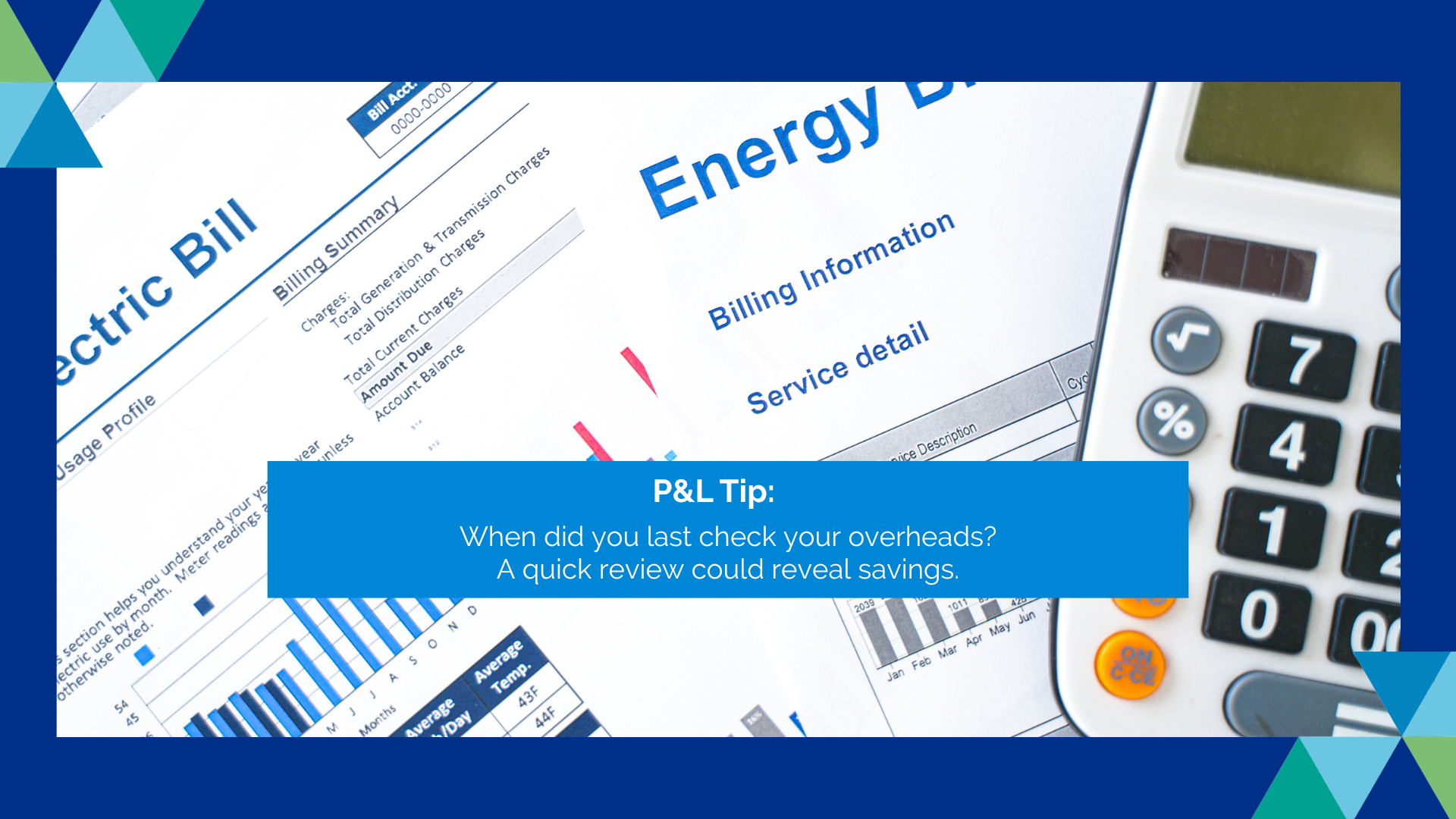
When profit feels tight, many businesses jump straight to chasing more revenue. Growth matters, but so does the quality of each dollar you keep. A practical way to improve your profit and loss (P&L) without disrupting sales is to take a fresh, focused look at your overheads .

The halfway mark is the perfect moment to pause, review, and reset. A calm, honest look at the first six months helps you protect profit, steady cash flow, and focus your team on what matters for the rest of the year. Think of it as a service for your business: check the gauges, make small adjustments, and keep moving confidently.

If you’re closing over Christmas/New Year, a little prep now means you can actually switch off, and reopen without a scramble. Use this simple plan to line things up before you lock the door, and to be ready for the first week back.

Getting the “employee vs contractor” call wrong can be expensive. It affects how you pay people, what taxes and super you owe, your workers comp and payroll tax, and your risk if the ATO or Fair Work take a closer look. Here’s a practical guide to the key differences, the hidden traps, and how a diligent accountant helps you stay on the right side of the rules.

What You Need to Know and Do