
Latest Charity Sector Insights
Dan Wade • August 8, 2019

AUDIT UPDATE - LATEST CHARITY SECTOR INSIGHTS
The ACNC has released its fifth annual report, which provides invaluable insight into Australia's charity sector.
There are now more than 57,500 charities registered with the ACNC. The Australian Charities Report 2017 analyses annual information statements from about 47,000 charities - those that were submitted by 13 February this year.
Key findings include:
- Total revenue of $146.1 billion
- Government grants as a revenue source increased by $7 billion
- Donations and bequests as a revenue source totalled $9.9 billion
- There were 3.3 million volunteers across Australia's charities
- Most registered charities (36 per cent) are 'extra small', a subset of 'small'
- 30 per cent of charities reported that their main activities were religion-related, and
- 4567 charities operated overseas, mostly in India, the Philippines, Papua New Guinea, Indonesia and New Zealand.
The report corroborated many findings from previous years:
- Most charities are small - with annual revenue of less than $250,000 (65 per cent)
- The most common activity is religion (30 per cent)
- The geographic distribution of charities aligns with Australia's population, New South Wales, Victoria and Queensland, in that order, being home to most, and
- Just under half of all charities (49 per cent) were run solely by volunteers.
The commission noted some significant changes, for example:
- Donations and bequests made to registered charities were $9.9 billion, a decrease of $600 million
- Total combined revenue increased from $143 billion in 2016 to $146 billion
- Government funds to charities increased by $7 billion
- Total combined employee expenses decreased to $74.8 billion, down from $75.4 billion in 2016, and
- 400,000 more people volunteered for a registered charity.
The full report can be downloaded at acnc.gov.au/charitiesreport .

The 2026-27 Federal Budget was announced on 12 May 2026, and we are now mid-year with several key changes already live or about to take effect. This is a practical guide to what you need to know and what actions matter right now. Important: Some measures have already been enacted or are taking effect this month. Others are still in draft or awaiting legislation. We will keep you updated as things progress.
A budget is not a prediction. It is a plan — and the difference matters, particularly in the second half of a financial year when cash flow pressures tend to peak and decisions carry more consequence. If your business does not have a current budget, or if the one you have has not been reviewed in months, now is a practical time to address that.

From 1 July, Payday Super goes live. If you read our February blog, you know what's coming. If you haven't started preparing, or if you're worried you're behind, this is your action guide for the final month. Here's what to expect, what problems might arise, and how to adapt if you're not quite ready yet.

For property owners and managers, the line between a repair and a capital expense is more than semantics; it drives whether you claim a deduction now, claim it over time, or add it to cost base for CGT. The ATO has issued clearer guidance and fact sheets, and the expectation is that claims match what the work actually does , not how an invoice is labelled.
Fringe Benefits Tax (FBT) has moved firmly onto the ATO’s radar. Over the past year we’ve seen more data-matching, sharper guidance, and “nudge” letters landing with employers, especially around cars, reimbursements, entertainment, and employee benefits that blur the line between business and private use. This shift was widely anticipated, and highlights that FBT is now a standard year-end obligation, not a “maybe.”

Payday Super is one of the biggest practical changes to employer superannuation in years. The intent is simple: super payments will move from a “set-and-forget” quarterly rhythm to a process that runs alongside your normal payroll cycle. For most businesses, the key is not “more work” - it’s making sure your payroll setup, cash flow planning and employee fund details are ready so payments can flow through cleanly and on time.
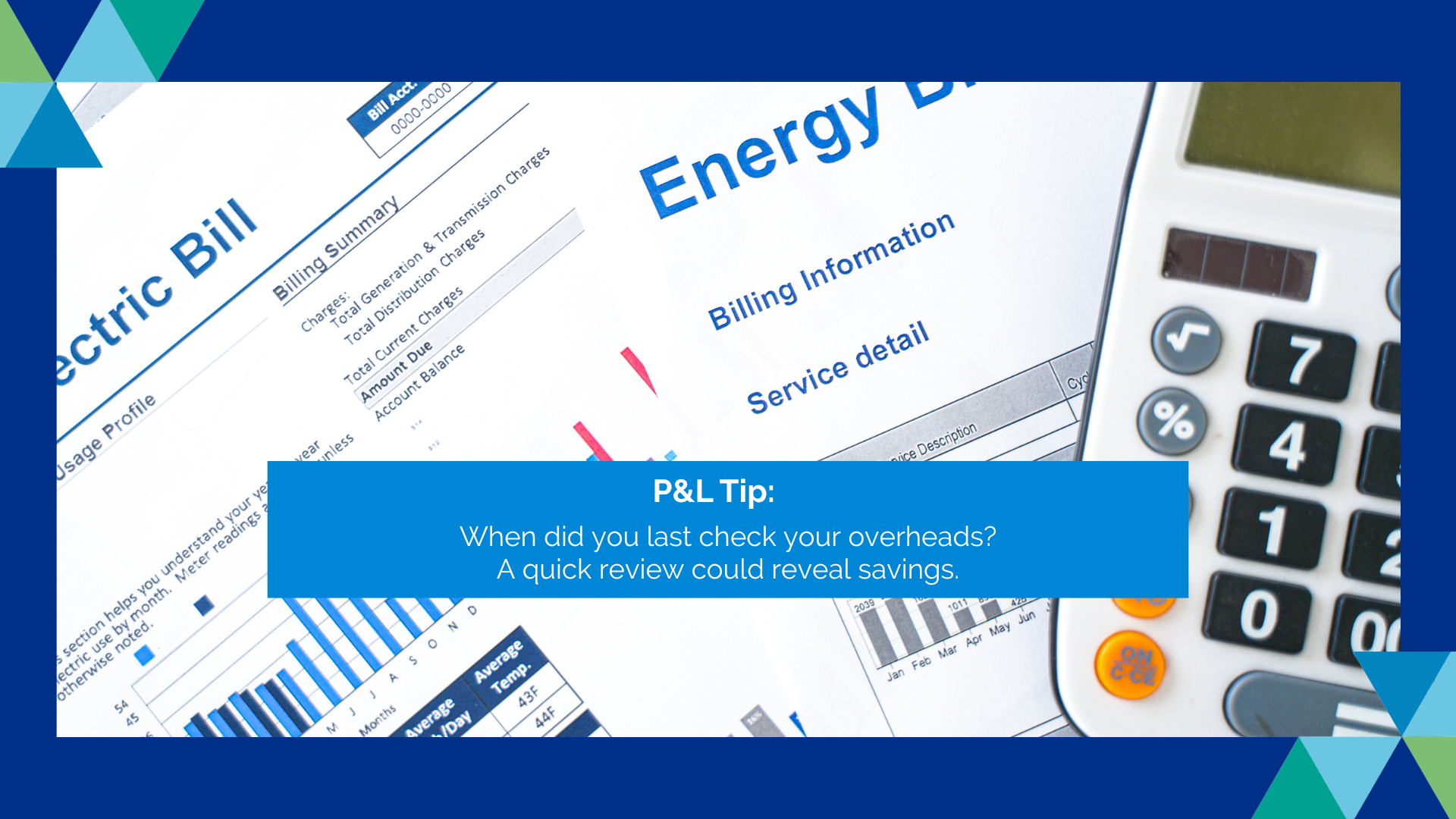
When profit feels tight, many businesses jump straight to chasing more revenue. Growth matters, but so does the quality of each dollar you keep. A practical way to improve your profit and loss (P&L) without disrupting sales is to take a fresh, focused look at your overheads .
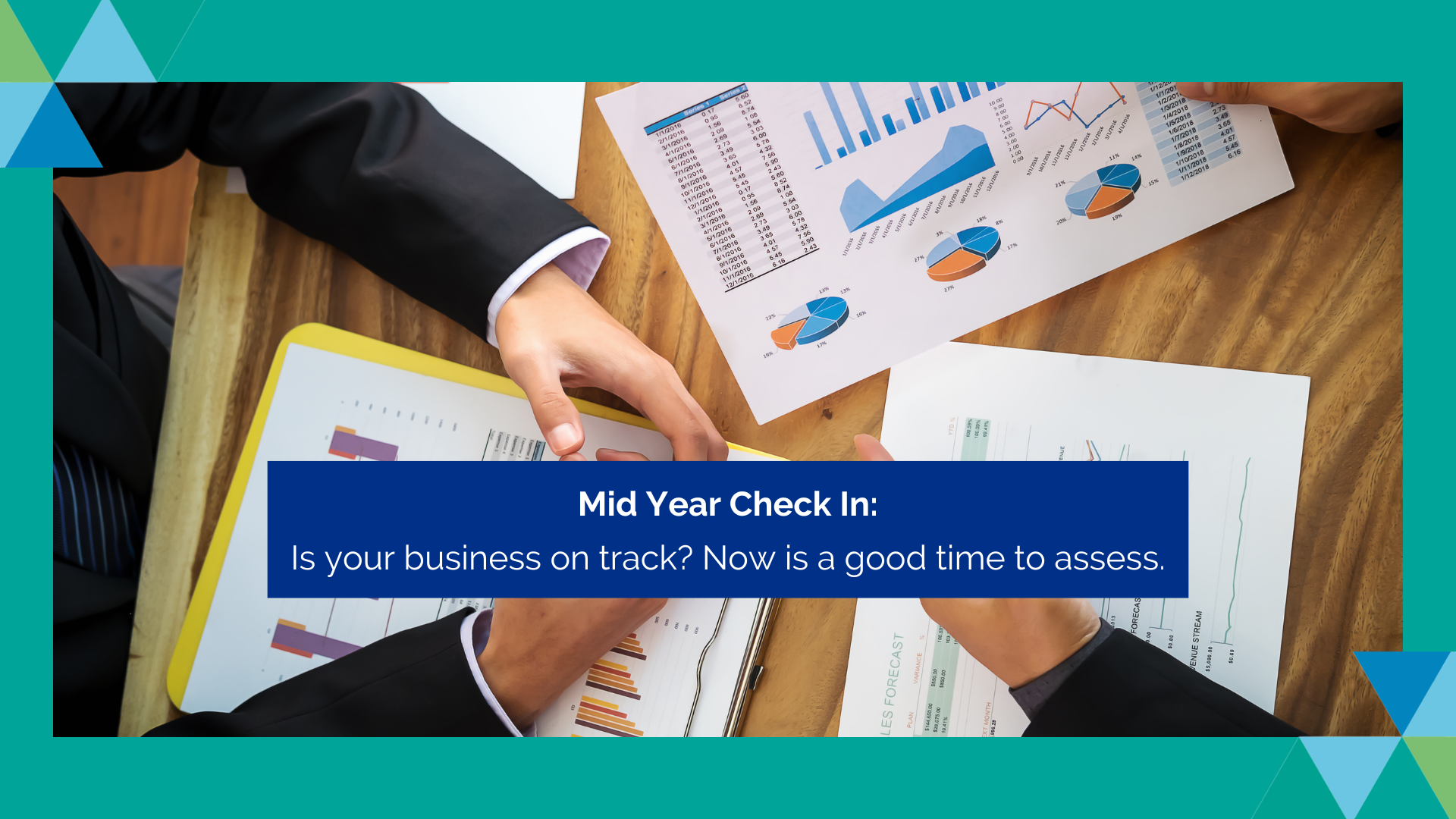
The halfway mark is the perfect moment to pause, review, and reset. A calm, honest look at the first six months helps you protect profit, steady cash flow, and focus your team on what matters for the rest of the year. Think of it as a service for your business: check the gauges, make small adjustments, and keep moving confidently.

If you’re closing over Christmas/New Year, a little prep now means you can actually switch off, and reopen without a scramble. Use this simple plan to line things up before you lock the door, and to be ready for the first week back.

Getting the “employee vs contractor” call wrong can be expensive. It affects how you pay people, what taxes and super you owe, your workers comp and payroll tax, and your risk if the ATO or Fair Work take a closer look. Here’s a practical guide to the key differences, the hidden traps, and how a diligent accountant helps you stay on the right side of the rules.